

News

Mobrilz
March 2, 2026
6:00 AM
Let’s slow down for a second and be honest. If you’re planning to sell online in 2026, you’re not just putting products on a website. You’re creating a space where real people decide whether they trust you or not. That can feel exciting and overwhelming at the same time. With so many tools, platforms, and opinions out there, it’s easy to overthink everything before you even start.
The truth is simpler. People want things fast, easy, and reliable. If your brand isn’t available on their screen when they’re ready to buy, they’ll move on without thinking twice. This guide isn’t about fancy jargon. It’s about building something practical, usable, and ready to sell.
Shopping habits have changed in a big way. Customers don’t just want products anymore. They want smooth experiences. They want to feel confident clicking “Buy,” and they expect things to work without effort.
For a growing business, an online store acts like an always-open shop. You can reach people in different cities and time zones without paying rent in each place. And if your store doesn’t work well on mobile, a large part of your audience simply won’t see you. Being online today isn’t about keeping up. It’s about staying visible.
Your e-commerce platform is the base of everything. Some platforms take care of the technical side for you. They’re easier to manage and good for beginners. Others give you full control but require more involvement when something breaks.
There’s no perfect choice. What matters is how comfortable you feel using it and whether it supports mobile-friendly design. If your store looks good on a desktop but struggles on a phone, that’s a problem you’ll feel in your sales.
A store without a plan usually struggles. Start by narrowing your focus. Instead of selling everything to everyone, be known for one thing and do it well.
Your product pages are where decisions happen. Clear photos help, but honest descriptions matter just as much. Explain what the product does, who it’s for, and why it’s worth buying. Inventory management also needs attention. Selling something that’s actually out of stock is one of the fastest ways to lose trust.
User experience is not a design trend. It’s the difference between someone buying and someone leaving.
Most shoppers will visit your store on their phones. That means buttons need to be easy to tap, text easy to read, and pages quick to load. Checkout should feel simple, not exhausting. Each extra step gives customers another reason to quit before paying.
Once your store starts getting regular customers, a dedicated E-commerce Mobile App can be worth considering. An app gives users faster access and keeps your brand visible on their phone.
A well-built E-commerce Mobile App also makes repeat purchases easier. Customers don’t have to search for your site again. They’re already one tap away, which can make a big difference over time.
Creating an app is only part of the job. People still need to discover it. That’s where App Store Optimization comes into play. It helps your app appear when users search for related products or services.
With smart App Store Optimization, your app has a better chance of being noticed by users who are already interested. Without it, even a solid app can sit unnoticed in the store.
Don’t overlook the basics. Payments should feel familiar and safe. The fewer clicks it takes to pay, the better.
Shipping is just as important. Be clear about costs early. Surprises at the final step often lead to abandoned carts and lost sales.
Before launching, test everything. Check how fast your site loads. Slow pages push people away.
Ask someone who hasn’t seen your store before to try buying something. Watch where they hesitate. Analytics tools should also be ready so you can see what’s working and what isn’t.
Launching your store is only the beginning. Growth comes from paying attention. Read feedback. Fix small issues quickly.
Content still helps too. Blogs, guides, or videos build trust over time. And if you have an app, revisiting App Store Optimization helps keep it visible as search behavior changes.
Launching an online store in 2026 isn’t about perfection. It’s about progress. Whether you rely on a website or expand into an E-commerce Mobile App, the goal stays the same: make buying easy and comfortable for real people.
Every big brand started small, with someone nervous but willing to click “Publish.” That first step matters more than you think.
News
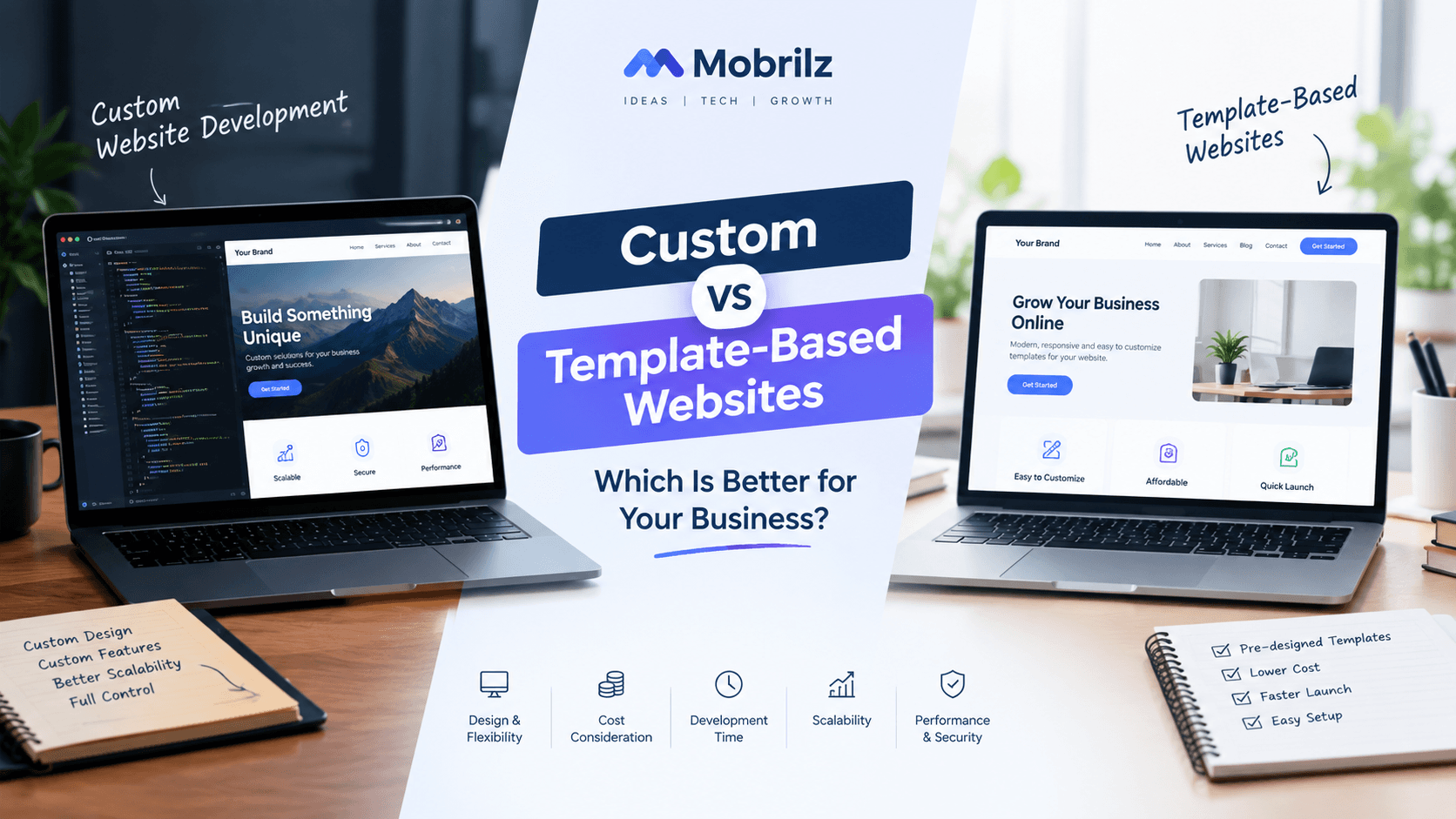
Blog
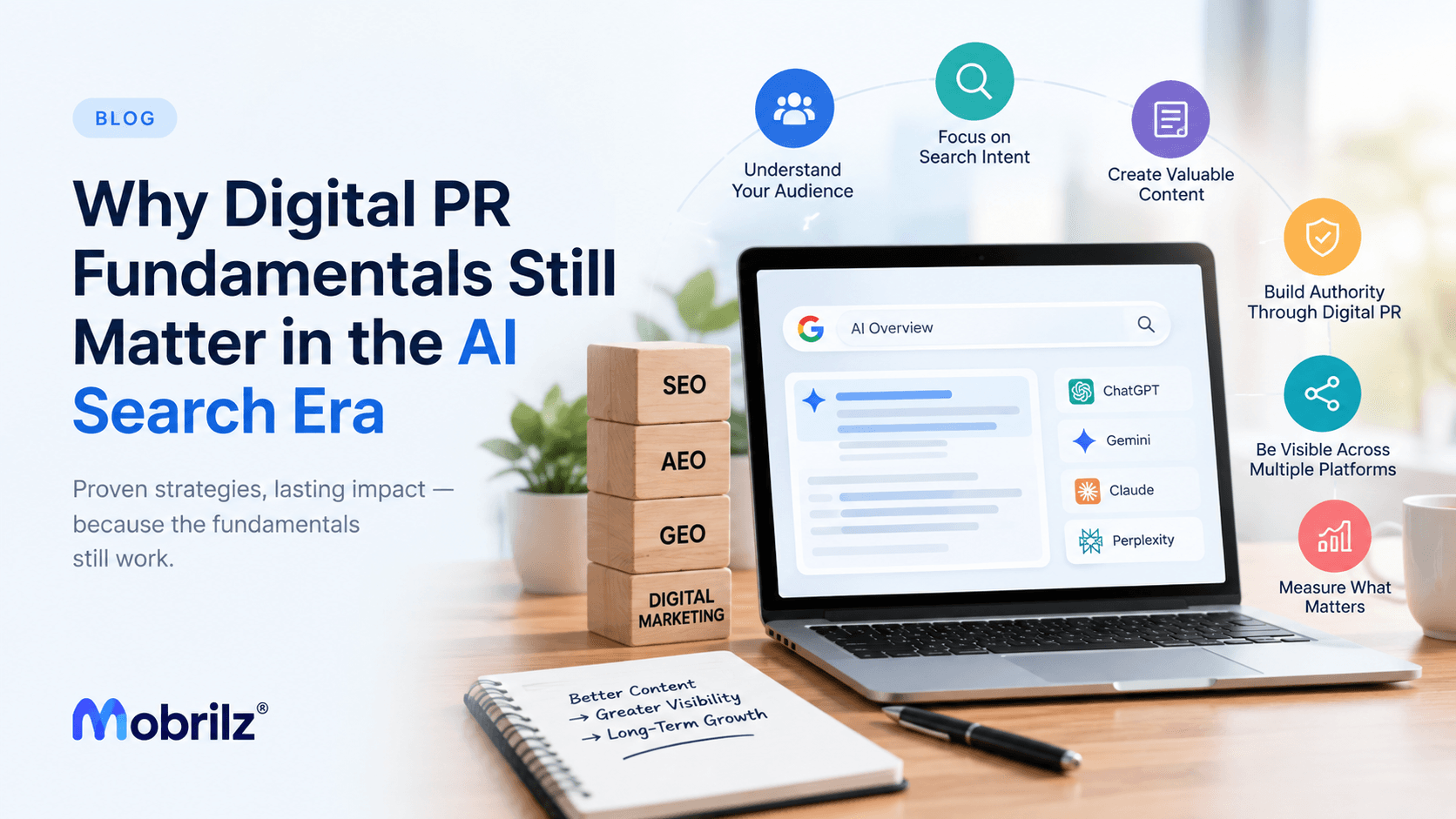
Blog
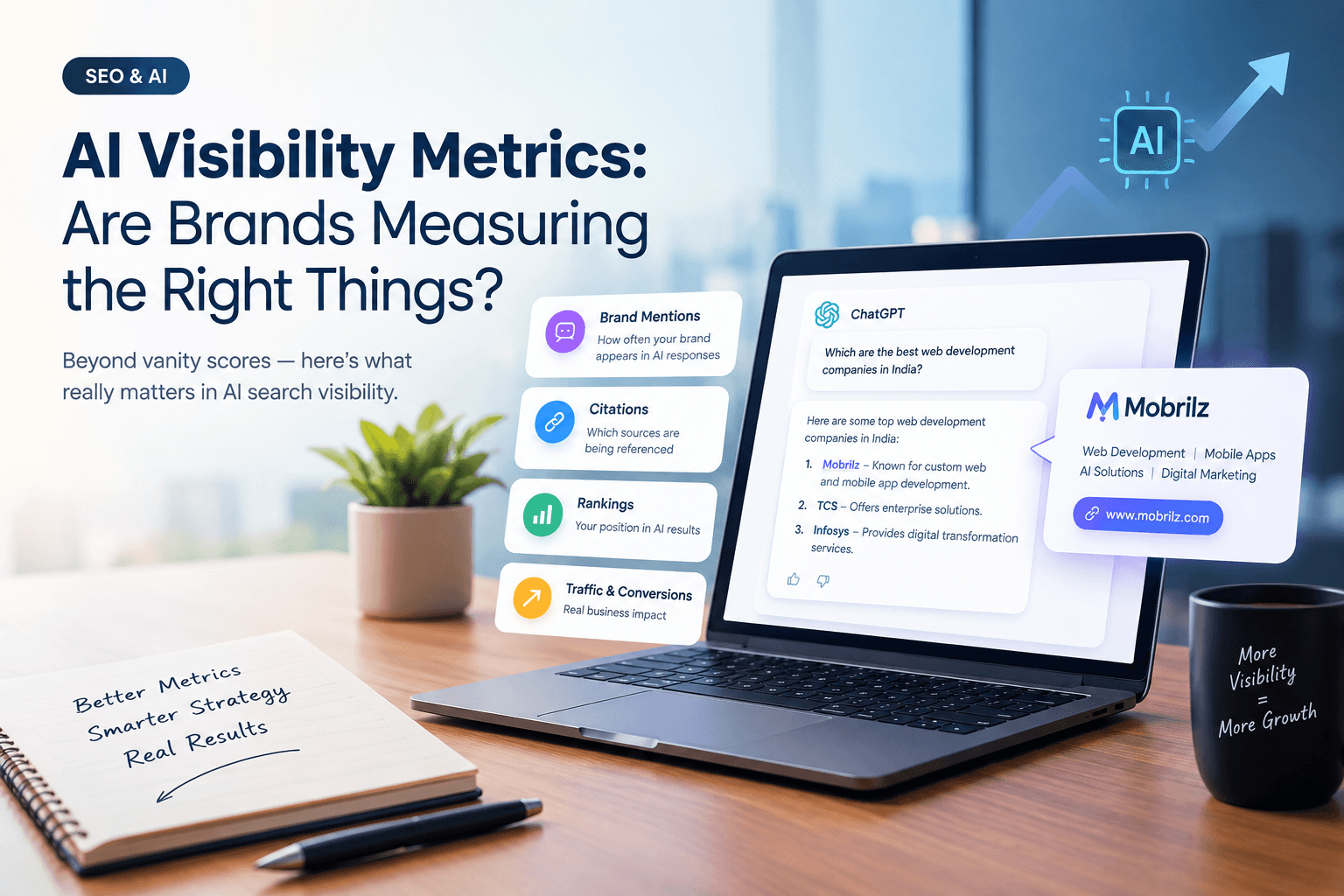
Blog
Visit Us
E-160, 3rd Floor, Sector 63 Noida, U.P. 201301, India
Monday - Friday: 9:00 AM - 6:00 PM (IST)
Please schedule an appointment before visiting
Services
© 2026 Mobrilz. All rights reserved.
Made with❤️in India